The difference is that Linux isn’t sending telemetry to some central entity associating that ID to an IP.
Microsoft’s records showed that at that exact same minute, a Windows device carrying GDID g:6755467234350028 had visited the ngrok signup page. Three hours later, the same GDID visited the retailer’s own website, through the same Tzulo proxy address used to set up the ngrok account.
This article is super vague about this as well. How does Microsoft not only have the GDID->IP link, but they have Web history as well? Are they just exposing all this through advertising telemetry?
Fucking gross. And if you know of anything on Linux exposing/transmitting the machine-id, please do let everyone know because nothing should. Anything that does should be considered malware.
Another user said they think machine-id is readable by the browser. This is absolutely true, machine-id is working as described when it is read by any web browser.
So Linux isn’t sending your unique id to a central entity that can associate it with your ip, it’s sending your unique id to any entity you browse to that can then associate it with your ip.
There is not a parameter to automatically change it every time the system boots, that solution doesn’t work for machines that don’t reboot often and it breaks stuff in systemd as volunteered by many people talking about it online and as verified by me two weeks ago when I tried that.
What you said was that if a person was actually worried about it there is a kernel parameter to change it.
My reply was not intended to refute what you said but instead to illustrate how that approach doesn’t solve the problem of tracking and is not a workable solution for many systems and users.
I made that reply to help you and any reader understand the depth and breadth of the problem, not to start a fight.
It’s intended to be read by applications on the system. That’s like its whole purpose. If you know of any browsers sending it or otherwise making it available without hashing it with an application key first, that would be a problem.
Yes as I said it’s working as intended. The point of machine id is to id a machine.
A better solution would be to not rely on the various programs to hash the unique id and instead have the host read it, hash it and provide the hash to the program that asked.
Yes as I said it’s working as intended. The point of machine id is to id a machine.
Your claim was that Linux was “sending your unique id to any entity you browse” which is misleading at best. machine-id should never be transmitted and if it is, that software should be considered spyware.
A better solution would be to not rely on the various programs to hash the unique id and instead have the host read it, hash it and provide the hash to the program that asked.
That doesn’t solve anything, really. There’s plenty of ways to fingerprint a machine that doesn’t involve the machine-id.
Machine-id is read as plaintext by programs and transmitted as plaintext by programs.
Hashing the unique id from the host side as opposed to trusting programs to read it and act in a way the user understands and deems appropriate is a much better method of handling calls to identify the equipment than just letting programs read your standardized unique id.
And the above would literally solve something, it would keep programs from just walking directly across the mat tee posing to get a unique id and force them to do some kind of jetpack backflip routine that, when presented to a court, is much more tenuous.
Machine-id is read as plaintext by programs and transmitted as plaintext by programs.
[citation needed]
Anything that does that is spyware and if you’re aware of anything that does this you should be doing us all a public service and sharing.
Hashing the unique id from the host side as opposed to trusting programs to read it and act in a way the user understands and deems appropriate is a much better method of handling calls to identify the equipment than just letting programs read your standardized unique id.
I can build something in maybe 10 minutes that will fingerprint your machine to like 99.99% uniqueness. This solution solves nothing. But now we’re just repeating ourselves.
Go take it to the systemd folks yourself and see how they respond.
here’s a fifteen year old stack overflow thread where someone asks where a unique system identifier can be read and someone suggests machine-id.
Lest that be considered old and bad information, I just checked /etc/machine-id on a new install of Debian 13 and the permissions were 444, readable by owner, group and everyone else.
So programs can read machine-id. If programs can read it they can transmit it. I hope someone capable of writing a program that can id my machine doesn’t need a proof of that.
Further, programs reading machine-id don’t necessarily fall into the spyware category by default like you say. There are plenty of perfectly good reasons to request a machine specific identifier.
Getting rid of the literal “papers please!” “Okay officer!” File literally makes investigation more difficult and puts a barrier up to tracking where there was none before. Presenting a unique hashed output based on the systems machine-id prevents a tracking method that is currently as easy as read file -> get identifier.
The fact that other methods of tracking exist doesn’t make preventing this method not worthwhile and you should be ashamed for suggesting that.
So programs can read machine-id. If programs can read it they can transmit it.
Never said things can’t read it (in fact, that’s very intentional). I even linked you the man page that lays all that out for you. I’m saying your claim that things are transmitting it is baseless. You stated your speculation as fact.
Further, programs reading machine-id don’t necessarily fall into the spyware category by default like you say
If anything is transmitting this ID it should be considered spyware.
Whatever, I’m just repeating the same thing over and over again as if your reading comprehension will somehow get better.
I should have clarified, but yes it’s the windows GPU drivers. Though even on Linux, it’s hard to know what the proprietary GPU drivers do, but from what I read they don’t collect telemetry by default. Luckily Nvidia is developing official open source drivers now so we won’t have to worry about these things.
Also note that on Windows, it’s fairly annoying to disable all telemetry. It’s not just an option in the installer. You have to use unofficial third party tools.
i think i remember hearing the dbus machine-id being read by google chrome on linux. it could be used for privacy violation with proprietary software, though i personally consider linux machines with chrome or equivalent software installed compromised.
This article is super vague about this as well. How does Microsoft not only have the GDID->IP link, but they have Web history as well? Are they just exposing all this through advertising telemetry?
My interpretation was that they had an IP that they suspected was the perp’s home network, and subpoena’d some major platforms to confirm beyond a shadow of a doubt. Given the perp’s sloppiness in using the same machine for both personal and illicit computing activities, they could even have some network traffic in the capture to indicate which platforms they should subpoena
Or if we want to be more conspiracy-minded, maybe they installed a trojan on his computer and this is the parallel evidence trail that law enforcement created so they don’t have to admit to hacking the hackers


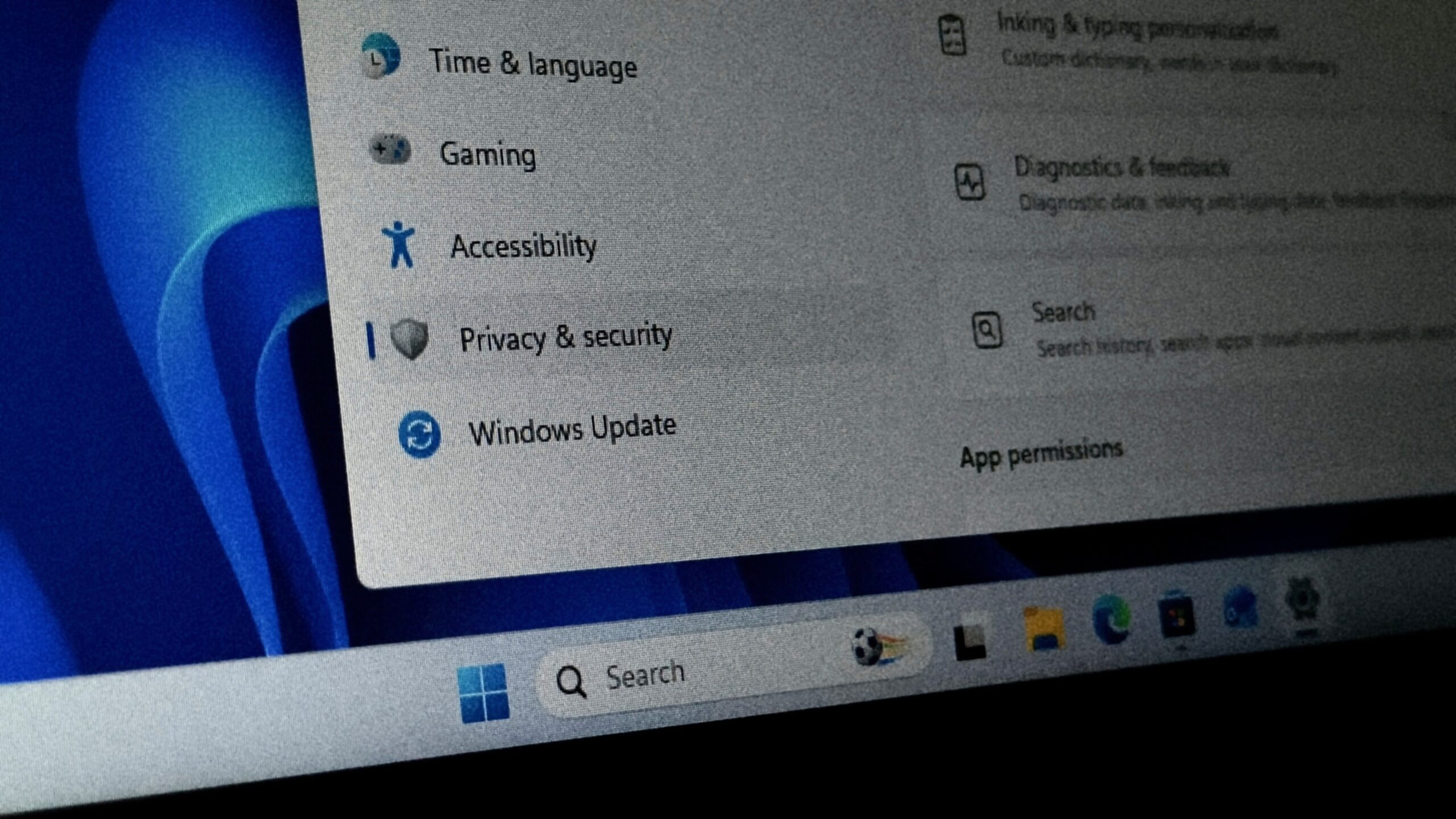
The difference is that Linux isn’t sending telemetry to some central entity associating that ID to an IP.
This article is super vague about this as well. How does Microsoft not only have the GDID->IP link, but they have Web history as well? Are they just exposing all this through advertising telemetry?
Fucking gross. And if you know of anything on Linux exposing/transmitting the machine-id, please do let everyone know because nothing should. Anything that does should be considered malware.
Another user said they think machine-id is readable by the browser. This is absolutely true, machine-id is working as described when it is read by any web browser.
So Linux isn’t sending your unique id to a central entity that can associate it with your ip, it’s sending your unique id to any entity you browse to that can then associate it with your ip.
If you’re really worried about that, just change it every time you boot or something. There’s a kernel parameter to change it.
There is not a parameter to automatically change it every time the system boots, that solution doesn’t work for machines that don’t reboot often and it breaks stuff in systemd as volunteered by many people talking about it online and as verified by me two weeks ago when I tried that.
I never said there was. There is however a kernel parameter to change the machine id, which I did say.
What you said was that if a person was actually worried about it there is a kernel parameter to change it.
My reply was not intended to refute what you said but instead to illustrate how that approach doesn’t solve the problem of tracking and is not a workable solution for many systems and users.
I made that reply to help you and any reader understand the depth and breadth of the problem, not to start a fight.
It’s intended to be read by applications on the system. That’s like its whole purpose. If you know of any browsers sending it or otherwise making it available without hashing it with an application key first, that would be a problem.
Yes as I said it’s working as intended. The point of machine id is to id a machine.
A better solution would be to not rely on the various programs to hash the unique id and instead have the host read it, hash it and provide the hash to the program that asked.
Your claim was that Linux was “sending your unique id to any entity you browse” which is misleading at best.
machine-idshould never be transmitted and if it is, that software should be considered spyware.That doesn’t solve anything, really. There’s plenty of ways to fingerprint a machine that doesn’t involve the
machine-id.Machine-id is read as plaintext by programs and transmitted as plaintext by programs.
Hashing the unique id from the host side as opposed to trusting programs to read it and act in a way the user understands and deems appropriate is a much better method of handling calls to identify the equipment than just letting programs read your standardized unique id.
And the above would literally solve something, it would keep programs from just walking directly across the mat tee posing to get a unique id and force them to do some kind of jetpack backflip routine that, when presented to a court, is much more tenuous.
[citation needed]
Anything that does that is spyware and if you’re aware of anything that does this you should be doing us all a public service and sharing.
I can build something in maybe 10 minutes that will fingerprint your machine to like 99.99% uniqueness. This solution solves nothing. But now we’re just repeating ourselves.
Go take it to the systemd folks yourself and see how they respond.
here’s a fifteen year old stack overflow thread where someone asks where a unique system identifier can be read and someone suggests machine-id.
Lest that be considered old and bad information, I just checked /etc/machine-id on a new install of Debian 13 and the permissions were 444, readable by owner, group and everyone else.
So programs can read machine-id. If programs can read it they can transmit it. I hope someone capable of writing a program that can id my machine doesn’t need a proof of that.
Further, programs reading machine-id don’t necessarily fall into the spyware category by default like you say. There are plenty of perfectly good reasons to request a machine specific identifier.
Getting rid of the literal “papers please!” “Okay officer!” File literally makes investigation more difficult and puts a barrier up to tracking where there was none before. Presenting a unique hashed output based on the systems machine-id prevents a tracking method that is currently as easy as read file -> get identifier.
The fact that other methods of tracking exist doesn’t make preventing this method not worthwhile and you should be ashamed for suggesting that.
Never said things can’t read it (in fact, that’s very intentional). I even linked you the man page that lays all that out for you. I’m saying your claim that things are transmitting it is baseless. You stated your speculation as fact.
If anything is transmitting this ID it should be considered spyware.
Whatever, I’m just repeating the same thing over and over again as if your reading comprehension will somehow get better.
It’s not just Windows tracking your web browsing history. GPU drivers do it too. Source: https://www.neowin.net/news/intel-windows-driver-to-now-collect-user-telemetry-data-like-website-categories-by-default/
…on Windows. if you explicitly install their malware and agree to data sharing.
I should have clarified, but yes it’s the windows GPU drivers. Though even on Linux, it’s hard to know what the proprietary GPU drivers do, but from what I read they don’t collect telemetry by default. Luckily Nvidia is developing official open source drivers now so we won’t have to worry about these things.
Also note that on Windows, it’s fairly annoying to disable all telemetry. It’s not just an option in the installer. You have to use unofficial third party tools.
That’s wild. Shit like this makes me distrust proprietary drivers
I distrust proprietary anything at this point
i think i remember hearing the dbus machine-id being read by google chrome on linux. it could be used for privacy violation with proprietary software, though i personally consider linux machines with chrome or equivalent software installed compromised.
My interpretation was that they had an IP that they suspected was the perp’s home network, and subpoena’d some major platforms to confirm beyond a shadow of a doubt. Given the perp’s sloppiness in using the same machine for both personal and illicit computing activities, they could even have some network traffic in the capture to indicate which platforms they should subpoena
Or if we want to be more conspiracy-minded, maybe they installed a trojan on his computer and this is the parallel evidence trail that law enforcement created so they don’t have to admit to hacking the hackers
Or he used Edge, so Microsoft just has all his browsing data.