Kind of, yes. But more importantly, it also means it can only push enough power to run at 3c. And that’s probably not for the full charge of the battery.
So a 100 amp hour battery rated at 3c can push out 300 amps. Which also means that if the grid needs a short spike in power, it might be limited.
It shouldn’t be too hard to get a 15c LiPo battery, which could push 5x as much energy at peak demand.
You’d probably kill the battery if you charged it from 0-100 at 15c, but for short bursts of charging and discharging, it should handle it just fine.
Honestly curious: I’m not a battery or even energy person, but this is interesting.
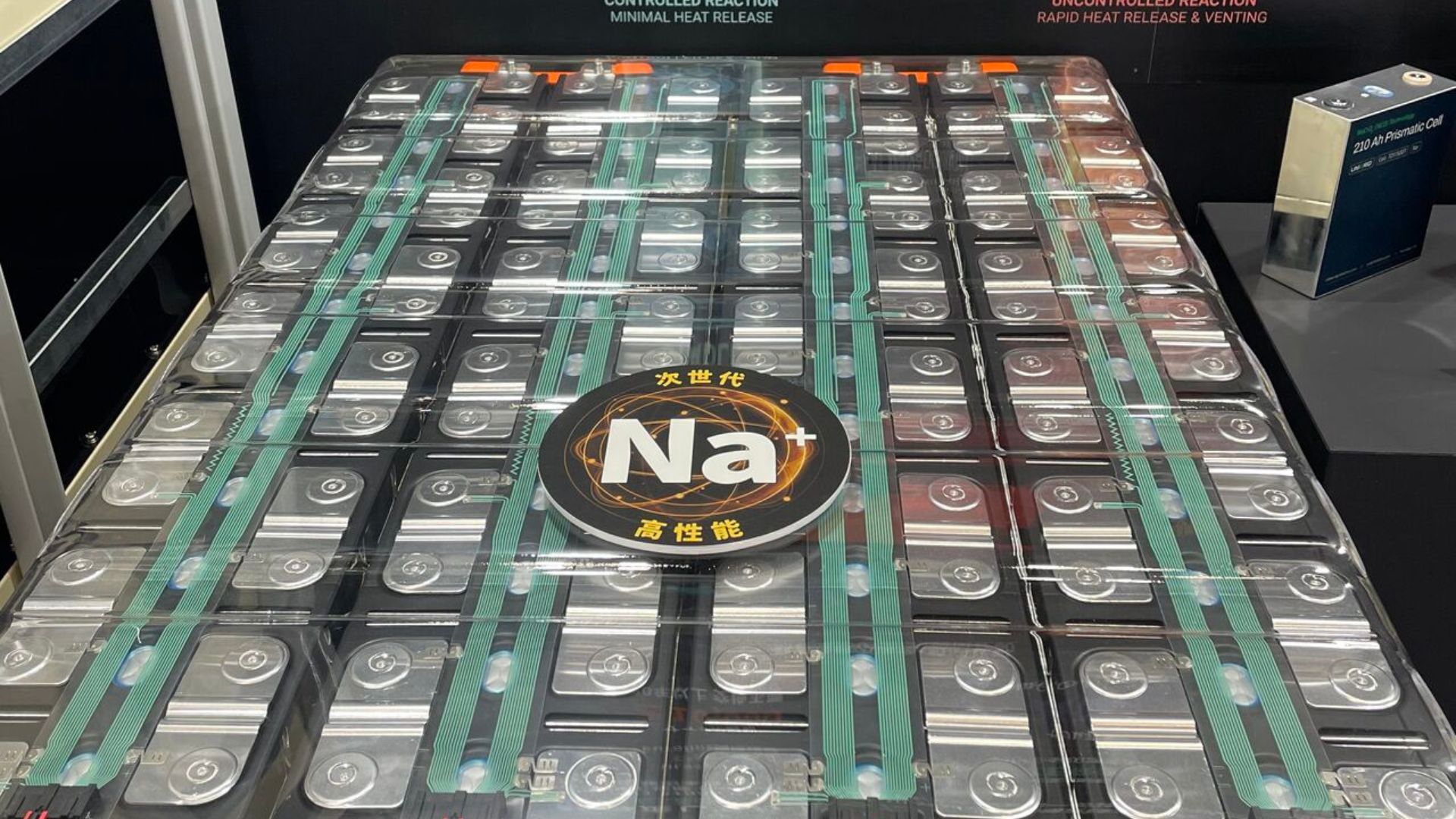
The charge/discharge efficiencies and rates could just mean we build networks of mixed types? “Trickle” charge/discharge via a slower battery that handles more cycles and is probably way cheaper to build (that’s the premise of Na+, right?), but have those batteries back up a more expensive high-rate bank for when power is needed in a burst? Probably a switching problem at that point, which I imagine we already deal with having solar/hydro/fossil/etc.
A Na+ bank sized to handle regular use and charge a Lithium bank when underused so that one is ready for spikes seems like a way to go.


Kind of, yes. But more importantly, it also means it can only push enough power to run at 3c. And that’s probably not for the full charge of the battery.
So a 100 amp hour battery rated at 3c can push out 300 amps. Which also means that if the grid needs a short spike in power, it might be limited.
It shouldn’t be too hard to get a 15c LiPo battery, which could push 5x as much energy at peak demand.
You’d probably kill the battery if you charged it from 0-100 at 15c, but for short bursts of charging and discharging, it should handle it just fine.
Honestly curious: I’m not a battery or even energy person, but this is interesting.
The charge/discharge efficiencies and rates could just mean we build networks of mixed types? “Trickle” charge/discharge via a slower battery that handles more cycles and is probably way cheaper to build (that’s the premise of Na+, right?), but have those batteries back up a more expensive high-rate bank for when power is needed in a burst? Probably a switching problem at that point, which I imagine we already deal with having solar/hydro/fossil/etc.
A Na+ bank sized to handle regular use and charge a Lithium bank when underused so that one is ready for spikes seems like a way to go.
That is an option. For smaller setup, capacitors are used for high peak demand applications.
Sometimes a mixed setup is just not worth it, cause the peak demand is the important part, so you end up with like 80% LiPo and 20% Na.
But I’m certainly no expert on the economics of infrastructure battery installations.
The comment I am replying to is discussing charge rate of 3C, not discharge rate