
From the article:
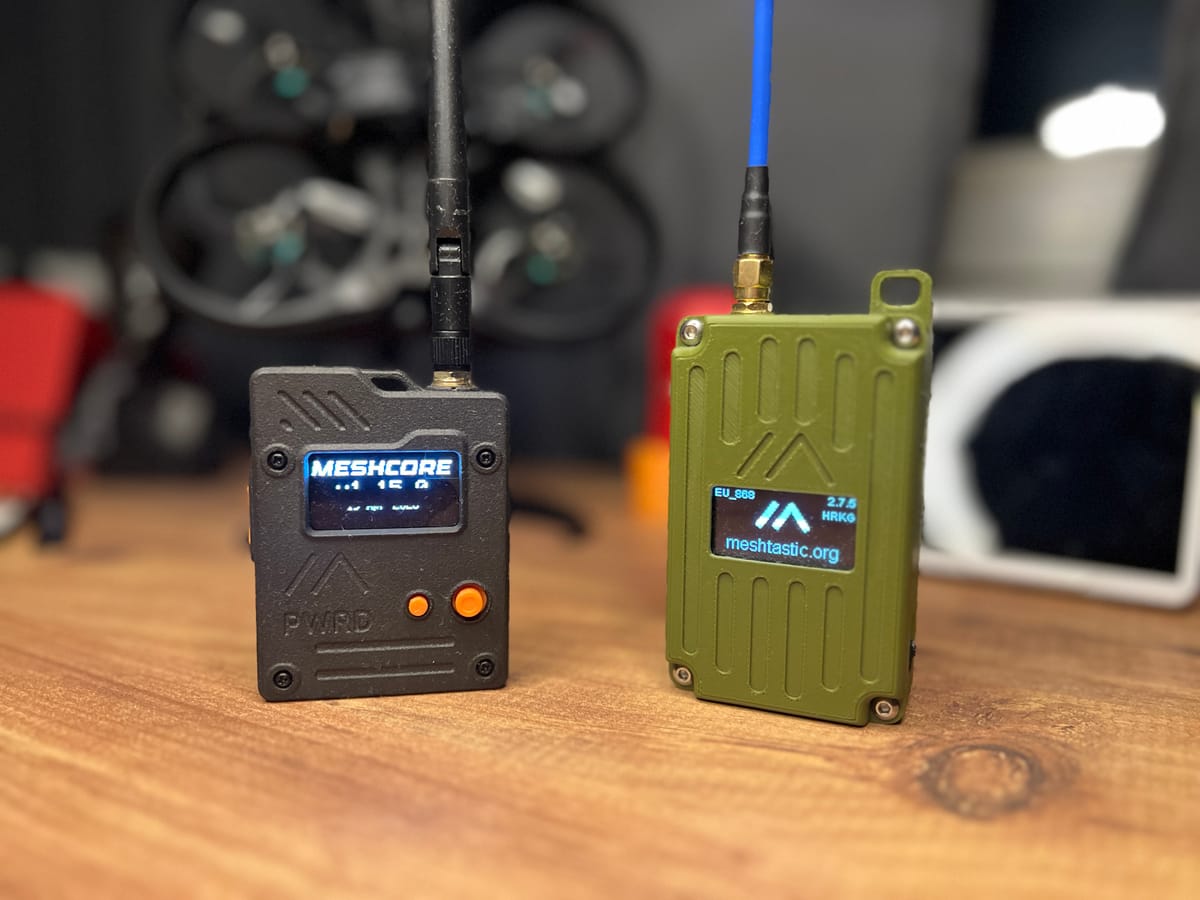
Let me save you some time. If you’ve been lurking the mesh forums lately you already know there are two camps and they don’t like each other much. Post “thinking about trying MeshCore” anywhere Meshtastic people hang out and you get a mix of “why bother, it’s not even mature” and a few quiet replies saying “do it, you won’t go back.” Both reactions are right, which is exactly why most comparisons out there are useless to you.
Most of them slap together a table, crown a winner, and call it a day. That’s not how this works once you’ve actually got the hardware on your bench.
How is MeshCore setup “Steep, under-documented, decision-heavy”? It’s the exact same Flash => Select region => Go as with Meshtastic.
MeshCore is also pretty light to getting going - basically setting node name and selecting the radio presets for your region. It is then operational pretty much the same as Meshtastic. One odd thing I’ve noticed, for Region 1 anyway, the preset defaults to a duty cycle of 50% so we have to dial that down to 10% and I don’t think many non-licensed users would be aware of that.
I haven’t seen that field show up for companion node settings, but for relays it’s there. I guess companions rarely transmit often enough to warrant it.
And it was at 50% default for me as well with the EU/UK narrow preset. And I would suspect that if you’re setting up a relay, you probably should’ve at least glanced at what’s allowed on the freq you’re using.
LOL you are right - I’ve been flashing too many repeaters last month. That is actually one step less then fore companion nodes.
Yeah, I found that bit to be odd too.