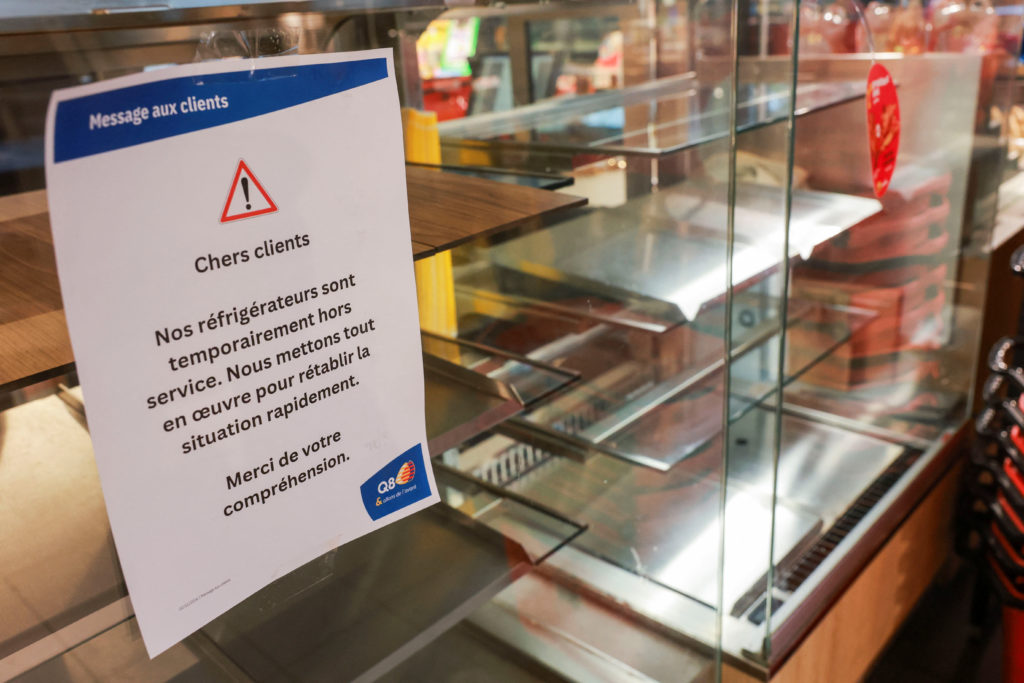
He said they resorted to switching off the Wi-Fi connection to the refrigeration units to restrict outside access.
Remember that the ‘S’ in “IoT” stands for “Secure”
Internet of thingS?
Well it works here as well, it is the least prioritized part of the concept.
Ok I can sort of see why it might be advantageous to have the fridges networked. Why do they have to be internet enabled, does corporate need to be able to control the fridges remotely?
Having said that I work for a French company, and they do dumb things all the time so it doesn’t surprise me.
“Supermarkets connect their fridges so they can monitor temperatures around the clock across hundreds of stores, get alerts before food spoils, cut energy costs and let technicians fix faults remotely,” Mitrokotsa said.
"This saves money and reduces food waste,
Maybe read the article?
Yeah I did but it doesn’t make sense, that’s what I’m saying. They can have the benefit of network connected fridges without connecting them to the internet. A local system can achieve the exact same result there is no benefit to having a system know the temperature of a fridge in a different store.
At this point its really their fault for having them hooked up to the internet.
I agree that consumers have no good reason for connecting their appliances but I can see how it could be useful for companies. The real problem is, as always, users - in this case companies using old, unsupported tech, not updating firmware, and using default logins.
“Organizations are pouring budget into AI and digital transformation while the systems that keep food cold, water clean, and lights on often run on hardware that has not been funded since installation,” said Nicole Carignan, senior vice president of security and AI strategy at cybersecurity company Darktrace.
“Nobody broke into these refrigeration systems with a zero-day,” she said, using a term for a flaw that has gone undetected by the system’s creators and security reviews. “They got in through internet-facing controllers, end-of-life firmware, and default passwords. That is technical debt coming due.”