

Moore, a 38-year-old Marine reservist and father of two, died on 28 August 2026 outside ICE’s Philadelphia field office after the agency told him he would lose his job. The city medical examiner’s office classified the death as suicide, from a self-inflicted gunshot wound. His family disputes that finding.
The case, first detailed in an investigation by *The Washington Post*, has drawn scrutiny to how ICE recruited tens of thousands of officers during a hiring surge last year, then began quietly dismissing some of them over background problems that former officials say should have been caught before anyone was sworn in.
…
The relatives dispute the suicide finding and have questioned how officers handled a man in crisis. The department said it had completed its investigation and that none of its officers discharged a weapon during the incident.
An internal review will examine how the responding officers acted, it added, leaving the sequence of those final minutes contested between the family and the police.
…
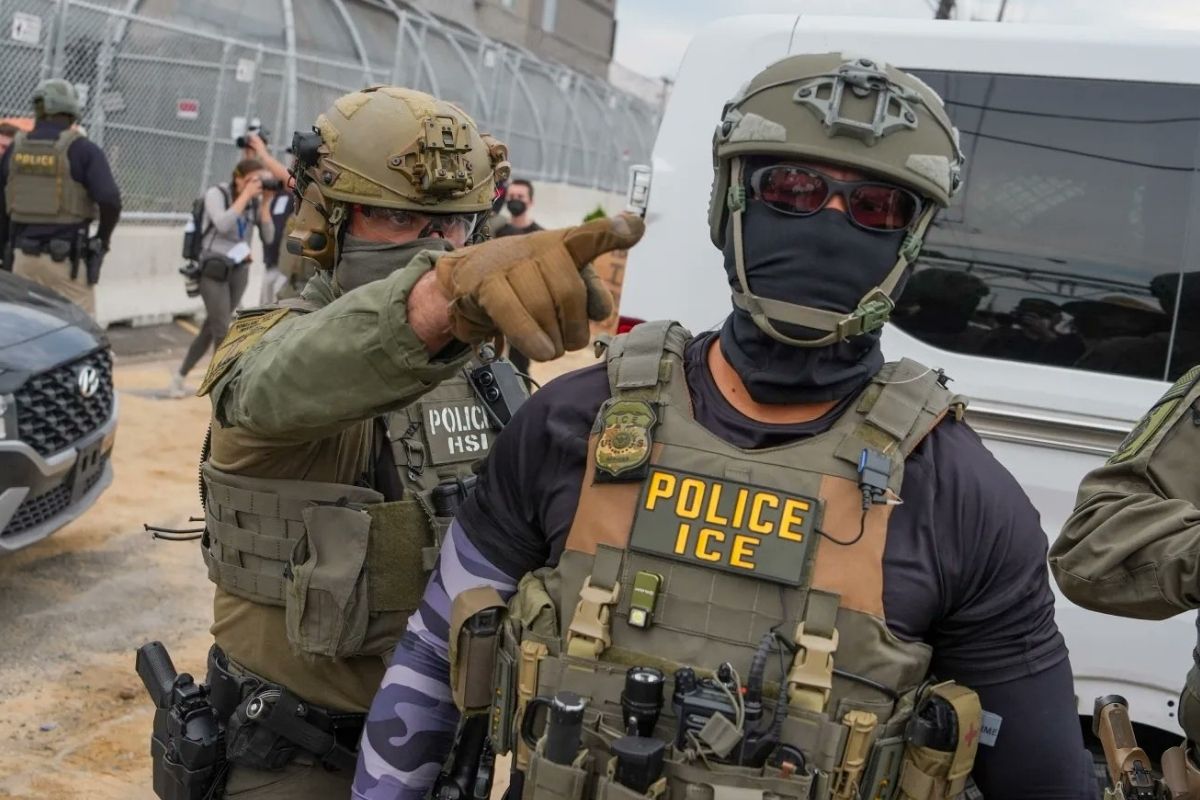
ICE began recruiting aggressively after President Donald Trump signed the One Big Beautiful Bill on 4 July 2025, legislation that funded a plan to roughly double the agency’s officer force from about 10,000 to 22,000. To fill the ranks quickly, recruiters shortened or waived training, lifted the age cap of 40, and dangled signing bonuses of $50,000 (about £37,000), close to a full year’s pay for Moore in his previous role. He was one of 12,000 recruits offered jobs after more than 220,000 applications poured in.
The pace overwhelmed [parts of the agency](https://www.ibtimes.co.uk/ice-agents-struggle-exhaustion-trump-deportation-quotas-1810148), several former officials told *The Washington Post*. At one field office, hiring jumped from one or two people at a time to 60, leaving new recruits short of desks and sharing cubicles.
A whistleblower who oversaw [background investigations](https://www.ibtimes.co.uk/whistleblower-exposes-security-risks-ice-hiring-trump-1817977) had warned the Department of Homeland Security’s inspector general in August 2025 that the ‘overwhelmed’ agency was clearing applicants ‘without fingerprints, identity verification, or credit checks.’ He recommended pausing the surge until standards were restored, but hiring continued and he retired this summer. ‘The basic processes weren’t even followed,’ said Kevin Owen, his attorney.
ICE has rejected the criticism. The dismissals are ‘nothing new’, the agency said, casting them as routine personnel decisions and maintaining that it hires ‘the best of the best.’ It said proper vetting is applied and that some recruits begin training on a temporary basis while [background checks](https://www.ibtimes.co.uk/ice-vetting-process-scrutiny-fatal-shooting-1810801) are completed.
…
ICE first raised concerns about his suitability in May, his family said, but kept him on for another three months. On 21 August, a truck struck his ICE-issued car at around 5:15 a.m., leaving him with a concussion and broken ribs, and he filed a workers’ compensation claim.
According to his family, ICE told him he was being let go three days later, one day short of his first anniversary at the agency. Two former colleagues said Moore’s death might have been avoided had the agency examined his record before offering him the job. ‘People shouldn’t have to die for this,’ one of them said.
I have sympathy for his family. And empathy for the people he signed up to abuse.